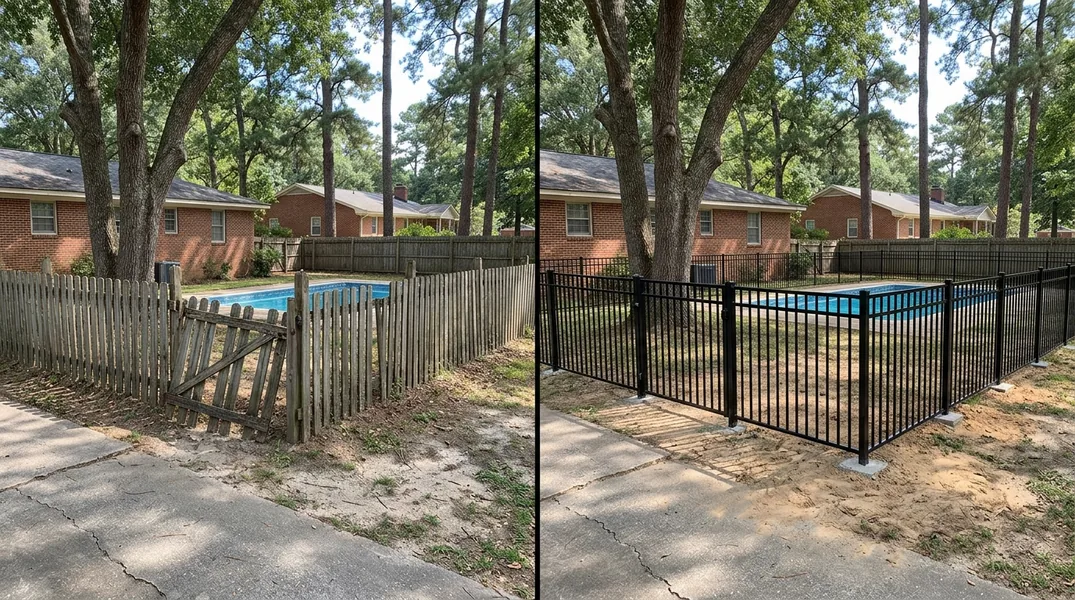
Understanding HOA Fence Rules in Your Community
If you live in a homeowners association (HOA) community in Lexington, Irmo, or Blythewood, you already know that HOA rules govern many aspects of your property. One area where HOA guidelines often apply is fence installation. Before you call a contractor or start dreaming about your new backyard oasis, you need to understand what your HOA allows. Ignoring these rules can result in fines, mandatory removal of your fence, or legal disputes with your homeowners association.
The good news is that most HOAs publish their fence guidelines clearly in their covenants, conditions, and restrictions (CC&R) documents. These documents outline everything from fence color rules to material specifications and height restrictions. Taking time to review these guidelines before you order ensures you won't waste money on a fence that doesn't meet approval. This article walks you through what to check and how to get free estimate from a contractor who understands local HOA requirements.
Common Fence Color Rules in Lexington, Irmo, and Blythewood HOAs
Fence color rules are among the most frequently regulated aspects of fence installation in HOA communities. Most associations in the Columbia area maintain strict color palettes to ensure neighborhood aesthetics remain consistent. For Wood & Privacy Fence Installation, this typically means natural wood tones like tan, beige, gray, or weathered brown are acceptable. However, bright colors, neon hues, or unconventional finishes are almost always prohibited.
If you're considering Vinyl & PVC Fence Installation, your color options may be slightly more flexible, but still limited. Most HOAs accept white, tan, gray, or black vinyl fencing. Some communities allow earth tones like cedar or light brown. Before selecting your fence color, request the specific approved color list from your HOA board. Many associations provide paint or stain samples so you can see exactly what shade is permitted. This prevents the frustration of installing a beautiful fence only to receive a violation notice because the color doesn't match the approved palette.
Fence Approval HOA Process: What You Need to Know
The fence approval HOA process varies slightly from community to community, but the basic steps are consistent across Irmo, Lexington, and Blythewood. First, you'll need to submit an architectural review request or modification request form to your HOA board. This form typically includes details about the proposed fence: materials, height, color, location, and sometimes a sketch or photo showing where the fence will be installed. Some HOAs require a contractor's proposal or quote as part of the application.
The review process usually takes two to four weeks. During this time, the HOA's architectural committee evaluates your request against the community's guidelines. They may approve it as submitted, approve it with conditions, or deny it. If denied, they'll explain why and may offer suggestions for modifications that would make it approvable. It's important to note that even if your neighbor has a similar fence, your request might be evaluated differently if their installation predates current rules or if they received a variance. Always get written approval before hiring a contractor and beginning installation. This protects you from the costly mistake of removing a fence that doesn't comply with HOA standards.
Material Restrictions and Height Limitations for HOA Fences
Beyond color, HOAs typically regulate fence materials and height. Many communities restrict certain materials entirely. For example, some HOAs prohibit Chain Link Fence Installation in visible areas because they consider it less aesthetically pleasing than wood or vinyl. Others allow chain link only in backyards, not along front property lines. Aluminum & Ornamental Iron Fencing is often permitted in front yards as it's considered more decorative, while solid privacy fences may be restricted to rear yards only.
Height restrictions are equally important to understand before you order. Most HOAs in the Columbia area limit front yard fences to four feet and backyard fences to six feet, though some communities are more restrictive. These height limits exist to maintain sight lines for safety and preserve the community's open feel. If you need a taller fence for privacy, you'll need to request a variance, which is sometimes granted but not guaranteed. Understanding these restrictions upfront helps you plan realistically for your property and avoid the disappointment of designing a fence that won't be approved.
How to Request and Obtain HOA Fence Approval
Getting fence approval HOA doesn't have to be complicated if you approach it systematically. Start by obtaining a complete copy of your HOA's architectural guidelines and CC&R documents. These are usually available from your HOA management company or board president. Read them carefully, paying special attention to sections on fencing, exterior modifications, and the approval process. If anything is unclear, contact your HOA management office and ask specific questions about your planned fence installation.
Next, gather the information you'll need for your application. Take photos of your property showing where the fence will be installed. Measure the area carefully and note the exact dimensions. If you've already selected a contractor, ask them to provide a detailed proposal that includes materials, dimensions, color, and installation timeline. This information strengthens your application and shows the HOA that you've thought through your project carefully. Fill out the architectural review form completely and honestly, then submit it to your HOA board with all required documentation. Keep copies of everything you submit and document the submission date. Follow up with the HOA office after two weeks to check on your application status. Having clear communication with your HOA throughout this process significantly increases your chances of approval.
Working with a Contractor Who Understands HOA Requirements
One of the smartest moves you can make is hiring a local contractor who understands HOA fence rules in your specific community. Columbia Fence Company has years of experience installing fences in HOA communities throughout the region and can guide you through the approval process. When you call for a free estimate, mention that your property is in an HOA. A knowledgeable contractor can review your HOA guidelines with you, recommend materials and colors that will be approved, and even help you prepare your architectural review application.
Working with an experienced contractor also protects you from costly mistakes. They know which materials are commonly approved, which colors work best in different lighting conditions, and which fence styles complement homes in your area. They can also advise you on whether a variance request is worth pursuing or if you should modify your plans to fit within standard HOA guidelines. When you're ready to move forward, contact Columbia Fence Company at (839) 250-4891 to discuss your project and get professional guidance tailored to your HOA's specific requirements. Getting expert advice before you submit your application can save you time, money, and frustration.
Looking for a professional tree service in Columbia? Columbia Fence Company responds fast for all your fence needs.
Get a Free Quote