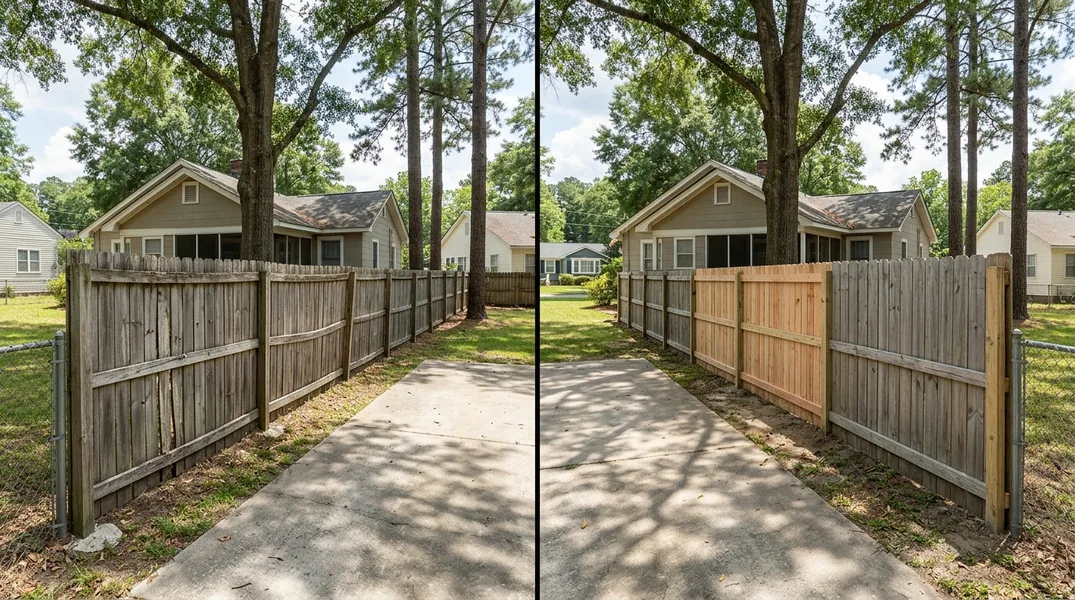
Understanding Fence Permits in Columbia, SC
Before you install any fence on your property in Columbia, one of the most important steps is understanding whether you need a permit. Many homeowners assume they can simply hire a contractor and start building, but Richland County and the City of Columbia have specific regulations that require permits for most residential fence installations. A fence permit ensures that your project complies with local building codes, setback requirements, and height restrictions.
In Columbia, residential property owners typically need to obtain a permit before installing Wood & Privacy Fence Installation, Vinyl & PVC Fence Installation, Chain Link Fence Installation, or Aluminum & Ornamental Iron Fencing. The permit process typically involves submitting an application to the City of Columbia's Building Services Department or Richland County, depending on your location. The application will require details about your fence type, height, materials, and property lines. This process protects you as a homeowner by ensuring that your fence meets all safety standards and doesn't encroach on neighboring properties or public right-of-ways.
Richland County Fence Code and Height Requirements
Richland County maintains specific fence codes that govern height, setback distances, and material standards. Understanding these regulations is critical before you begin any fence project. In most residential zones within Richland County, the standard maximum fence height is 6 feet for rear and side yards, while front yard fences are typically limited to 4 feet. These height restrictions exist to maintain sight lines for traffic safety, preserve neighborhood aesthetics, and prevent disputes between neighbors over visual obstructions.
However, height rules can vary depending on your specific zone classification and whether your property is within city limits or unincorporated Richland County. Some residential areas may allow taller fences if they are set back further from the property line, or if they are constructed with specific materials like ornamental iron that provide visibility. Additionally, fences used for agricultural purposes may have different height allowances than residential privacy fences. The best way to confirm the exact height rules for your property is to contact the Richland County Building and Development Services office or consult with a local fence contractor who understands the nuances of the code. Columbia Fence Company has years of experience navigating these regulations and can help you determine what's permitted on your specific lot.
Height Rules for Lexington and Surrounding Areas
If you're planning a fence project in Lexington or other areas of Richland County outside Columbia city limits, similar but sometimes slightly different regulations apply. Lexington generally follows county-level codes, which typically allow 6-foot fences in rear yards and 4-foot fences in front yards for residential properties. However, some subdivisions in Lexington have additional homeowners association (HOA) restrictions that may be more stringent than county code. If your property is part of an HOA, you'll need to review both the county fence code and your HOA covenants before submitting a permit application.
Many homeowners overlook HOA requirements, which can lead to costly mistakes. An HOA might restrict fence materials, colors, or heights beyond what the county allows. For example, while Richland County might permit a 6-foot wooden privacy fence, your HOA might require ornamental aluminum fencing or limit height to 5 feet. Before you move forward with any fence project in Lexington, contact your HOA board and request a copy of the architectural guidelines or covenants. If you're unsure about your property's restrictions, Columbia Fence Company can help you navigate the permitting process and ensure your fence design meets all applicable rules.
Setback Requirements and Property Lines
Beyond height limits, fence setback requirements are equally important and often misunderstood by homeowners. A setback is the minimum distance your fence must be positioned from your property line. In most residential areas of Richland County and Columbia, fences must be set back at least a few inches to a foot from the actual property line, though requirements can vary. This buffer zone prevents disputes with neighbors and ensures that the fence doesn't encroach on their land. Some jurisdictions require fences to be positioned entirely on your property, while others allow the fence to be placed directly on the property line if both neighbors agree.
Determining your exact property lines is crucial before installing any fence. Many property disputes arise because homeowners assumed they knew where their boundary was without verifying it through a professional survey. If your property hasn't been surveyed recently, it's worth investing in a survey before obtaining a permit. A surveyor will mark your property corners and boundaries, giving you and the permitting authority clear documentation of where your fence should be placed. Once you have this information, you can submit an accurate permit application and avoid costly relocations or removal orders. When you contact Columbia Fence Company at (839) 250-4891 for a free estimate, our team can review your property lines and help ensure your fence design complies with all setback rules.
The Permit Application Process in Columbia and Richland County
The permit application process is straightforward but requires attention to detail. In Columbia, you'll submit your application to the City of Columbia's Building Services Department, while unincorporated Richland County properties go through the Richland County Building and Development Services office. Your application will typically include a site plan showing your property, the proposed fence location, dimensions, materials, and height. Some jurisdictions may also require a survey or a letter of consent from neighbors, particularly if your fence will be near a property line or if it approaches the maximum allowed height.
Processing times for fence permits usually range from a few days to a couple of weeks, depending on the completeness of your application and the current workload of the permitting office. Once approved, you'll receive a permit that you must display at your job site during construction. Some jurisdictions also require a final inspection after the fence is installed to confirm it meets the approved plans and all code requirements. If you're working with a professional fence contractor like Columbia Fence Company, they can often handle much of the permit paperwork on your behalf, streamlining the process and reducing delays. This is one reason many homeowners prefer working with experienced local contractors who understand the regional permitting landscape.
Common Violations and How to Avoid Them
Some of the most common fence code violations in Richland County and Columbia include installing a fence that exceeds the allowed height, failing to obtain a permit before construction, placing a fence too close to the property line, or building a fence that blocks sight lines at intersections or driveways. These violations can result in citations, fines, and orders to remove or modify the fence at your expense. Preventing violations is much easier and cheaper than correcting them after the fact, which is why obtaining a permit and understanding the rules upfront is so important.
Another common issue is installing a fence without confirming property lines or neighbor boundaries, which can lead to disputes and legal action. Always verify your property lines with a survey before you begin, and consider discussing your fence plans with neighbors, especially if the fence will be near a shared boundary. If you're unsure about any aspect of the code or your specific property's requirements, it's worth spending time researching or consulting with a local professional. Columbia Fence Company has helped countless homeowners in the area navigate these regulations successfully. If you have questions about whether your fence project needs a permit or what rules apply to your property, don't hesitate to reach out at (839) 250-4891 or request a free estimate and consultation.
Looking for a professional tree service in Columbia? Columbia Fence Company responds fast for all your fence needs.
Get a Free Quote